
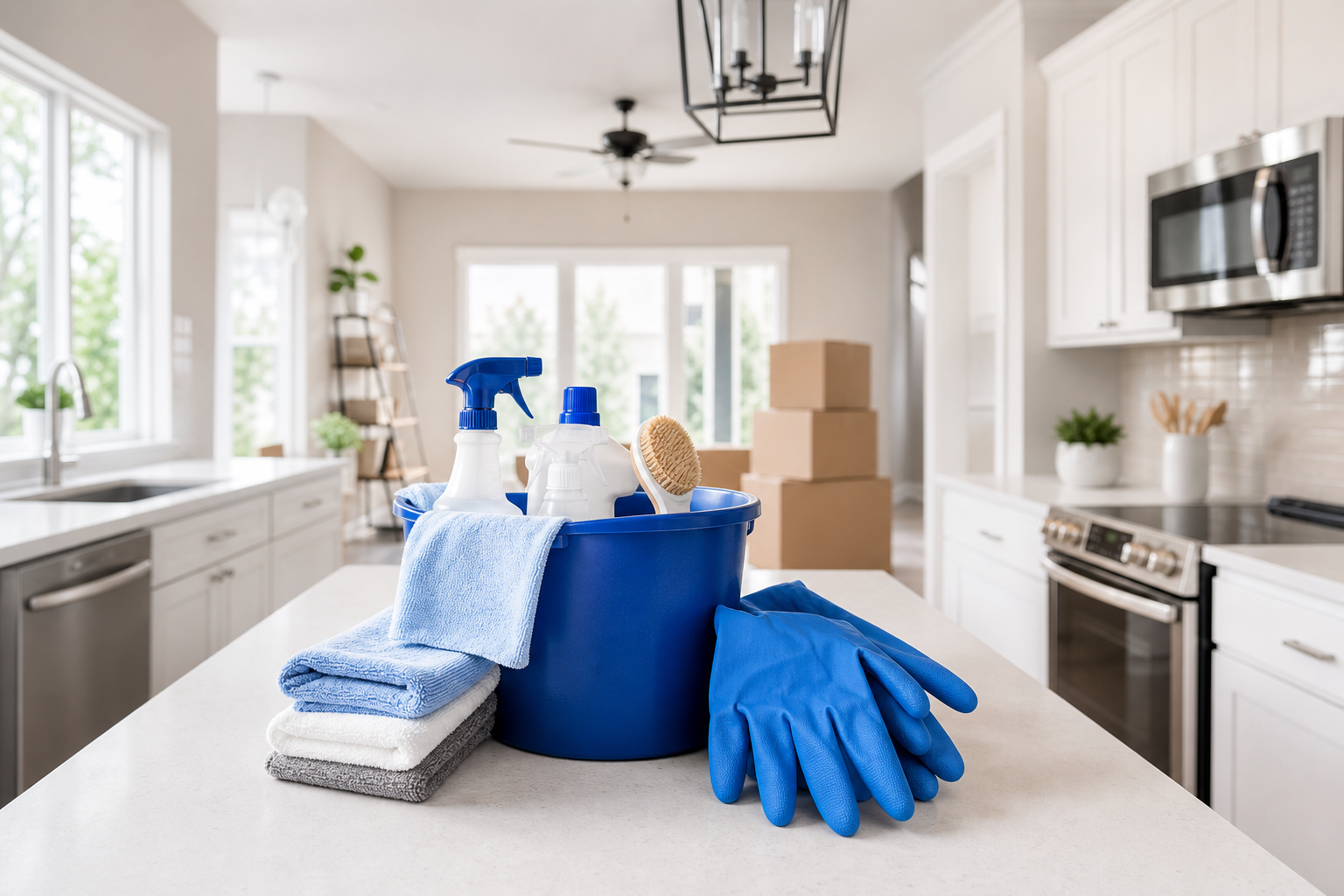
Moving into a new home is exciting. It's also, if you're being honest, a little gross. The previous occupants left behind cooking grease, pet hair, bathroom residue, and a layer of grime on surfaces you won't discover until you're already unpacking boxes.
The smartest move you can make before a single piece of furniture crosses the threshold is cleaning the home top to bottom while every room is still empty. This guide walks you through exactly that, room by room, so nothing gets missed.
Why You Should Clean Before You Move In
Empty rooms are a rare opportunity. Once the couch is against the wall and the bed is assembled, you'll never again have full access to baseboards, the backs of cabinets, or the floor under the refrigerator. Cleaning before you move in is genuinely easier than cleaning after — and it means you're starting fresh rather than layering your belongings on top of someone else's history.
It also protects your health. Allergens, mold spores, and bacteria from previous occupants don't disappear when they hand over the keys.
What to Gather Before You Start
Before you open a single cabinet, pull together your supplies:
- All-purpose cleaner and disinfectant spray
- Glass cleaner
- Baking soda and white vinegar for stubborn buildup
- Microfiber cloths and paper towels
- A mop and bucket
- Vacuum with attachments
- Scrub brushes in small and large sizes
- Rubber gloves
- A step stool or ladder for high surfaces
- Trash bags
Work from the top of each room down, and from the back of the home toward the front door. Dust and debris fall, so always clean ceilings and shelves before you touch the floors.
Room-by-Room Move-In Cleaning Checklist
Kitchen
The kitchen is the most labor-intensive room in the house. Previous occupants almost certainly left grease buildup inside the oven, residue on the stovetop, and grime along the cabinet interiors.
Appliances
- Clean inside the oven, including the door glass and broiler drawer
- Wipe down the stovetop, burner grates, and drip pans
- Clean inside the refrigerator and freezer, including door seals and the drip tray underneath
- Run a cleaning cycle on the dishwasher, or wipe down the interior, spray arms, and door gasket manually
- Clean inside and outside the microwave
Cabinets and drawers
- Wipe down all interior shelves and drawer bottoms
- Clean cabinet doors, handles, and the tops of upper cabinets — grease accumulates up there
- Check inside for debris or any sign of pests
Surfaces and fixtures
- Degrease the backsplash
- Scrub the sink and disinfect the drain
- Clean the faucet and remove any mineral buildup
- Wipe down countertops with a disinfectant
- Clean the range hood filter
Floors
- Sweep or vacuum, then mop
- Pay close attention to edges and corners where buildup collects
Bathrooms
Bathrooms need disinfection more than anywhere else in the home. Work from the top down.
- Clean light fixtures and the exhaust fan cover
- Wipe down the medicine cabinet interior and all shelving
- Scrub the toilet inside and out, including the base and the floor around it
- Clean the bathtub and tile grout; use a grout brush for stubborn staining
- Scrub the shower walls, door tracks, and any glass doors
- Clean the sink, faucet, and drain
- Wipe down the vanity and any drawers
- Clean the mirror
- Mop the floor and disinfect the grout
If the previous occupants left a shower curtain liner, replace it.
Bedrooms
Bedrooms feel straightforward but have several easy-to-miss spots.
- Wipe down ceiling fan blades and the light fixture
- Clean window sills, tracks, and the glass itself
- Wipe down baseboards
- Clean inside closets — shelves, rods, and the floor
- Vacuum or wipe down any built-in shelving
- Clean light switches and outlet covers
- Mop or vacuum the floor, including the area where the bed will sit
Living and Dining Areas
- Clean ceiling fans and light fixtures
- Wipe down all baseboards
- Clean window sills, tracks, and glass
- Dust and wipe any built-in shelves or mantels
- Clean the fireplace surround and glass doors if applicable
- Wipe down light switches and outlet covers
- Vacuum or mop the floor thoroughly
Laundry Room
- Clean inside the washing machine drum and wipe the door seal
- Clean the dryer drum and — critically — clear the lint trap housing and exhaust duct
- Wipe down the exterior of both appliances
- Clean the utility sink if there is one
- Sweep and mop the floor
A clogged dryer duct is a fire hazard. If you can't clear it yourself, have it professionally serviced before you use the dryer.
Garage and Entryways
- Sweep the garage floor and remove any debris left behind
- Wipe down shelving or storage units
- Clean the entry door, including the frame and threshold
- Sweep and mop any mudroom or entryway flooring
Spots Most People Miss
Even thorough cleaners tend to skip these:
- Inside air vents and returns. Remove the covers and vacuum out any visible dust.
- The tops of door frames. Dust collects there and falls every time the door opens.
- Light switch plates. Touched constantly, cleaned almost never.
- The underside of toilet seats. The hinge area builds up fast.
- Window screens. Remove them and rinse or brush them outside.
- Refrigerator coils. Dusty coils reduce efficiency and can be vacuumed from the back or bottom.
- Behind and under appliances. Pull out the stove and refrigerator before your belongings block them permanently.
Deep-Clean Tasks Worth Scheduling Regularly After Move-In
A thorough move-in clean is a starting point, not a permanent solution. Once you're settled, certain tasks need a recurring schedule rather than waiting until they're visibly overdue.
Baseboards, ceiling fans, the refrigerator interior, oven, grout lines, and windows are the areas that tend to drift between regular cleans. Building a rotation that revisits them monthly or quarterly keeps the home genuinely clean rather than just surface-clean.
If managing that rotation sounds like more overhead than you want, a recurring cleaning membership can handle it for you. Casovela's Atlanta home cleaning membership includes a rotating deep-clean task cycle that covers exactly these areas on a scheduled basis, so they never fall permanently behind.
When to Consider Hiring a Professional Move-In Clean
DIY works well if the home is in reasonable condition and you have a full day to give it. But there are situations where professional help is worth it:
- The home has been vacant for an extended period
- There's visible mold, heavy grease buildup, or pest evidence
- You're moving in with a newborn or someone with respiratory sensitivities
- You simply don't have the time, and the home is large
A professional move-in clean covers the full list above systematically, with equipment and products that go further than standard household supplies. If you're in metro Atlanta, Casovela offers a one-time visit option alongside its membership plans — so you can start with a thorough initial clean and convert to recurring service once you're settled.
After the Move-In Clean: Setting Up a Maintenance Routine
The effort you put in before moving in only holds if you maintain it. A few habits that protect your work:
- Wipe down kitchen surfaces after cooking rather than letting grease accumulate
- Run the bathroom exhaust fan during and after showers to reduce mildew
- Vacuum high-traffic areas weekly
- Clean the stovetop before spills have a chance to bake on
- Address grout discoloration early, before it sets permanently
A recurring cleaning schedule — whether you handle it yourself or through a service — is far more effective than periodic deep cleans separated by months of buildup.
Start Fresh, Stay That Way
A thorough move-in clean is one of the best investments you can make in a new home. You only get one chance to clean it while it's completely empty, and the difference between a home that feels genuinely clean and one that just looks clean starts with what happens before the first box arrives.
Once you're settled, the goal is protecting that baseline. A consistent cleaning routine — whether self-managed or handled by a service — is what keeps a home feeling like yours rather than somewhere you're just maintaining.
Frequently Asked Questions
How long does a move-in clean typically take?
For a 2 to 3 bedroom home in average condition, expect 4 to 6 hours working alone. A two-person team can usually finish in 2 to 4. Homes that have been vacant longer or have significant buildup will take more time.
Should I clean before or after moving furniture in?
Before, whenever possible. Empty rooms give you full access to floors, baseboards, closets, and the backs of cabinets. Once furniture is in place, those areas become much harder to reach.
What's the difference between a move-in clean and a regular cleaning?
A move-in clean is a one-time deep clean of the entire home — appliances, cabinet interiors, grout, and areas that rarely get touched during routine maintenance. A regular cleaning maintains surfaces and high-traffic areas on an ongoing basis.
Do I need to clean a brand-new construction home?
Yes. New construction leaves behind construction dust, drywall particles, adhesive residue, and debris in vents and cabinets. A post-construction clean is different from a standard move-in clean and typically requires more attention to fine particles and dust throughout.
What cleaning products are safe for all surfaces?
A pH-neutral all-purpose cleaner is safe for most surfaces, including countertops, appliances, and painted walls. Avoid bleach on natural stone, vinegar on marble or sealed grout, and abrasive scrubbers on stainless steel or glass cooktops. When in doubt, test a small hidden area first.
How do I clean grout that's already stained?
A paste of baking soda and water applied with a stiff grout brush — left for 10 to 15 minutes, then scrubbed and rinsed — removes moderate staining. For heavier discoloration, an oxygen-based cleaner or diluted hydrogen peroxide solution works better. Sealing the grout after cleaning slows future staining significantly.
When should I schedule recurring cleaning after moving in?
Most households find that biweekly cleaning keeps a home consistently clean without the cost of weekly service. If you have pets, young children, or high foot traffic, weekly makes more sense. The right time to set it up is before the post-move chaos settles into a pattern of neglect.